Choosing the Right Content
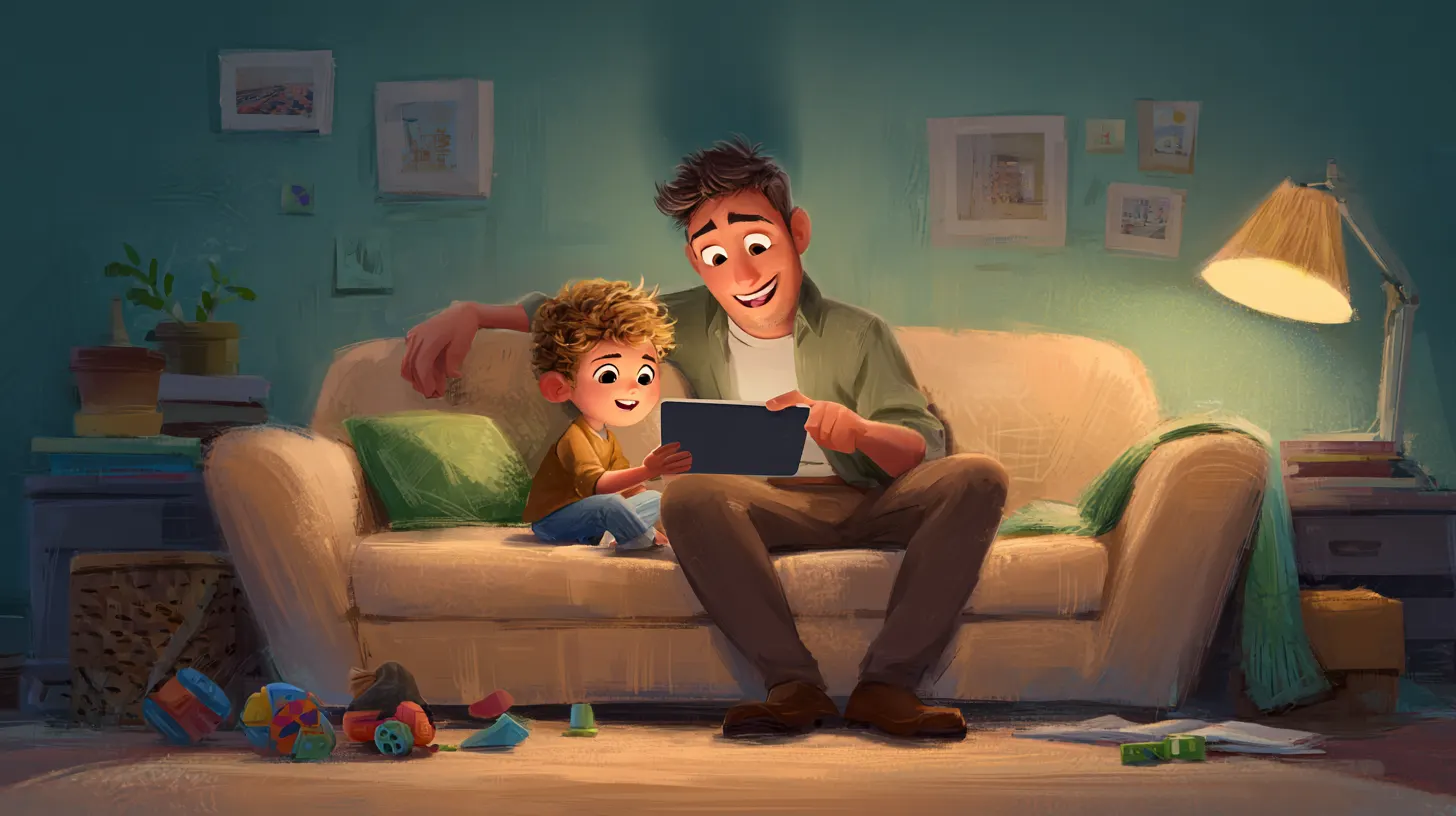
If the first screen time is like your child's first bike ride, then the content is the training wheels. The wrong kind, wobbly, fast, unsafe, makes the ride scary. The right kind, steady, supportive, built for beginners, helps them feel confident and eager for more.
When it comes to screens, not all content is created equal. Some videos are designed to pull kids into endless loops. Others are created to build skills, spark conversation, and connect with the real world. Choosing wisely can make the difference between screen time that drains your child's energy and screen time that boosts their curiosity.
Why Content Matters More Than Minutes
Parents often ask: How much is too much? But the better question is: What kind of content are they watching?
Research shows that personalized and educational content does more than entertain. When kids see their own name or interests in a story, they pay closer attention, recall more words, and stay engaged longer. This is called the self-reference effect, we all learn better when it's about us.
In contrast, fast-paced cartoons with random plots may keep kids glued to the screen but often leave them overstimulated and irritable, with little to show for it.
The Power of Personalization
Imagine your child watching two different videos:
Which one do you think they'll remember?
Studies show children recognize and learn their names as some of the first written words. Building from that foundation, adding personal details like favorite animals, foods, or colors, makes content stick. Personalized content isn't a gimmick, it's a brain hack.
What Quality Content Looks Like
When choosing shows, videos, or apps, look for these green flags:
- PersonalizedIncludes your child's name, interests, or familiar routines.
- EducationalIntroduces early literacy skills, letters, sounds, vocabulary, storytelling.
- Predictable and RepetitiveKids learn through repetition; repeated patterns build comfort and memory.
- Calm and ClearEngaging without being chaotic, slower pacing, pauses, and clear narration help kids process.
- Interactive or ConversationalContent that invites your child to answer, dance, or look for something.
What to Avoid
- Autoplay loopsThese keep kids watching past the point of enjoyment or learning.
- OverstimulationRapid cuts, flashing colors, or noisy chaos can overwhelm young brains.
- Ad-heavy platformsKids this age can't distinguish ads from content, and commercials often undo the lessons you're trying to teach.
- Background TVPassive, unattended screens distract more than they help.
Categories of Content That Work
Here's what's been shown to support learning in preschoolers:
A Tale of Two Choices
Same device. Two very different outcomes.
Building Your Family's Content Checklist
Before hitting play, ask:
If the answer to most is "yes," you've found good screen time.
What Comes Next
Choosing the right content is only half the equation. Even the best video can end in tears if it's hard to turn off. That's why routines and expectations matter just as much as the content itself.